

Poker Formats and Pressure Decisions
Poker looked simple from the outside, at least to me. A few cards, a betting round, somebody wins the pot. Once I began spending time at online casino poker tables, though, the game became much more about timing, attention, and the uncomfortable feeling of having only a few seconds to make a choice. My first sessions through apreswin casino made that clear rather quickly. I was not losing because I could not remember hand rankings. Mostly, I was losing because I was treating every decision as if it were isolated.
Choosing a Poker Format
The format changes the emotional rhythm of poker more than I expected. In cash games, the chips usually have a direct value and I can leave after a rough stretch. Tournaments feel different. Blinds rise, stack sizes shrink, and a hand that seems ordinary early on can become a difficult all-in spot later. Sit-and-go games sit somewhere between those two moods, often starting calmly and turning sharp very fast.
- Cash games gave me more room to wait for a sensible starting hand.
- Tournaments taught me that survival alone is not a complete plan.
- Fast-fold tables forced me to make pre-flop choices with very little comfort.
I still prefer a regular no-limit hold’em cash table when I want to think clearly. That preference may be partly stubbornness. At a six-player table, I can watch the same opponents long enough to notice habits, whereas a fast format sometimes feels like trying to read a book while someone keeps turning the pages.
Starting with the pace
Before joining a game, I now check the blind level, player count, and whether the table is already deep into a tournament. It took me a while to work out that a format should fit my concentration as much as my bankroll. On one late evening, I entered a turbo event with a cup of cold tea beside me and convinced myself I would “adapt.” I did not. The blinds moved faster than my patience.

Reading the Table Without Guessing
Online poker removes physical tells, but it does not remove information. I watch bet sizes, timing, stack depth, position, and what happens after a player raises several times in a row. None of these details is proof of anything. A quick check might mean weakness, or it might simply mean someone has a stable internet connection and already knew what they wanted to do.
The useful part is building a rough picture rather than chasing a clever read. If a player only enters pots with large raises, I tend to give that action more respect. If another player calls from the blinds repeatedly and then folds to one continuation bet, I make a note of it, mentally at least. Small observations add up. They also occasionally mislead me, which is worth admitting.
- Who is opening frequently from late position?
- Who calls too often once the flop arrives?
- Who protects a short stack and who seems willing to gamble?
Position changes the story
Position became my most reliable guide. Acting late lets me see whether others are interested before I add chips. When I am early in the betting order, I narrow my range because there are too many people left to act. This is not glamorous poker, perhaps, but it has saved me from several unnecessary calls.
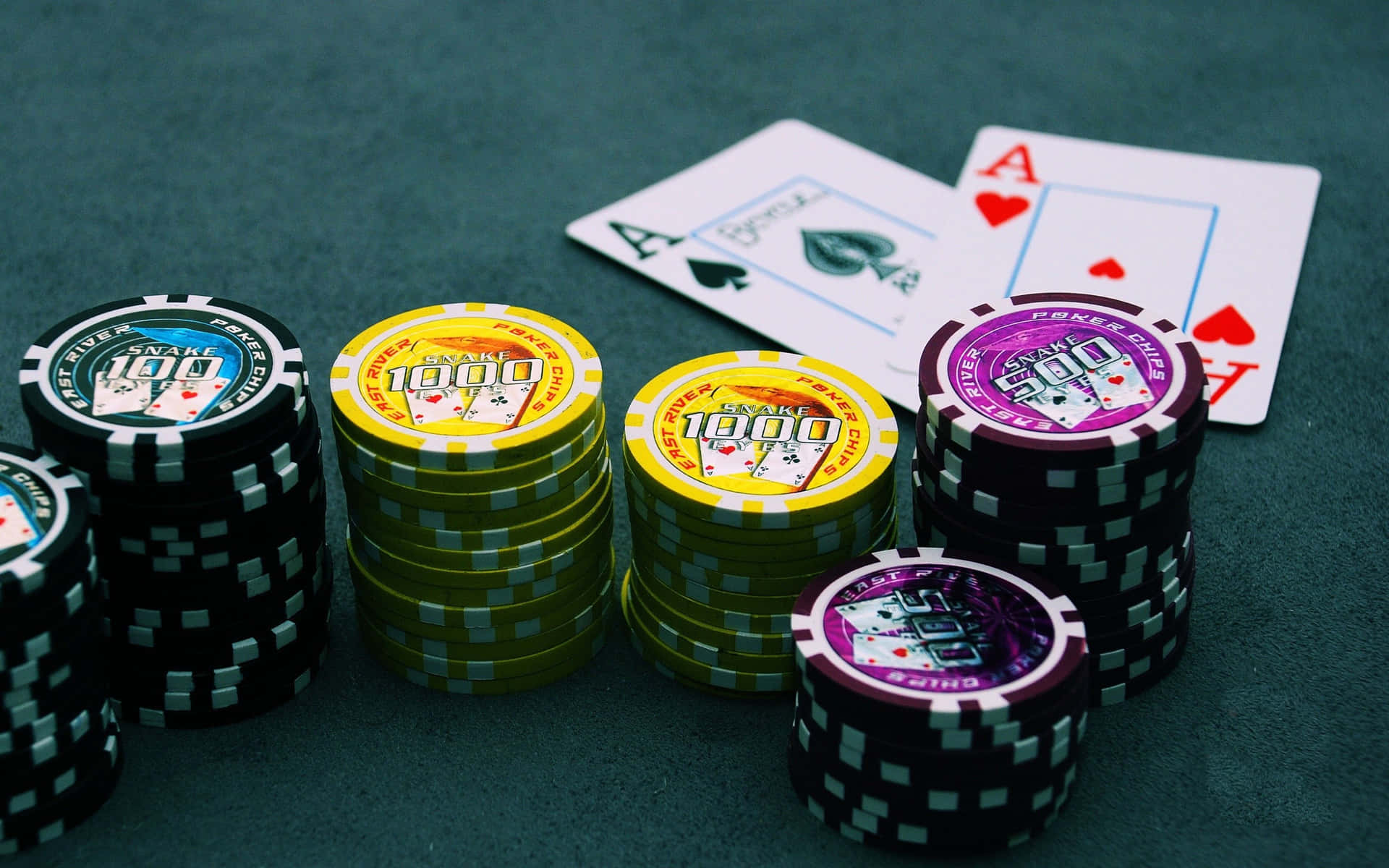
Making Decisions Under Pressure
Pressure arrives when the pot is large enough to matter, but it also appears in smaller spots after a few losses. I have felt my hand moving toward the call button simply because folding again seemed annoying. That is usually the moment when I need to slow down. Poker rewards decisions, not emotional revenge against the previous hand.
- I pause and identify the likely hands that beat mine.
- I ask what weaker hands would realistically bet this way.
- I compare the amount required to call with the pot and my remaining stack.
- I fold if my main reason to continue is hope.
That last point sounds obvious, yet it is the one I forget most easily. In a small online tournament, I once held top pair and faced a sudden river shove. The bet felt theatrical, so I called almost on instinct. My opponent showed a completed flush. Looking back, the board had made the flush very plausible. I had noticed it, then ignored it because I wanted my hand to be good.
A quieter kind of discipline
I do not think good poker means never taking a risk. Sometimes the correct move is a difficult call or a bluff that makes my stomach tighten a little. The difference is whether I can explain the move before the cards are revealed. If I cannot explain it, I am probably reacting to pressure rather than using the information in front of me.
FAQ
A common question I hear is which poker format is best for a newer player. I would start with low-stakes cash games or slower sit-and-go tournaments, mainly because there is time to observe the action. Another question is whether timing tells matter online. They can, but I treat them as a clue rather than a verdict. The clearest lesson from my own games is simple: choose a format that suits the time and focus available, watch patterns patiently, and do not let one stressful hand decide the next one.