

Classic Table Games: Rules, Odds and Mistakes I Learned the Hard Way
Classic table games have a strange pull for me. Slots can be entertaining, of course, but there is something calmer about sitting with blackjack, roulette, baccarat, or poker. The rules look simple from a distance, then a small decision suddenly matters. When I first started comparing guides and player experiences on platforms such as apreswin, I realised that knowing the game is only half the job. The other half is noticing where people, including me, tend to get careless.
I used to think table games were mostly about confidence. They are not. Confidence can help me avoid panicking, perhaps, but it does not change the maths. A neat pile of chips and a serious face never improve the odds. That was mildly disappointing at first, although it also made the games easier to understand.
Starting with the basic rules
Blackjack was the first table game I properly tried. The aim is straightforward: get closer to 21 than the dealer without going over. Face cards count as ten, aces count as one or eleven, and the dealer must follow fixed drawing rules. That final point matters because the dealer is not making instinctive choices. I am.
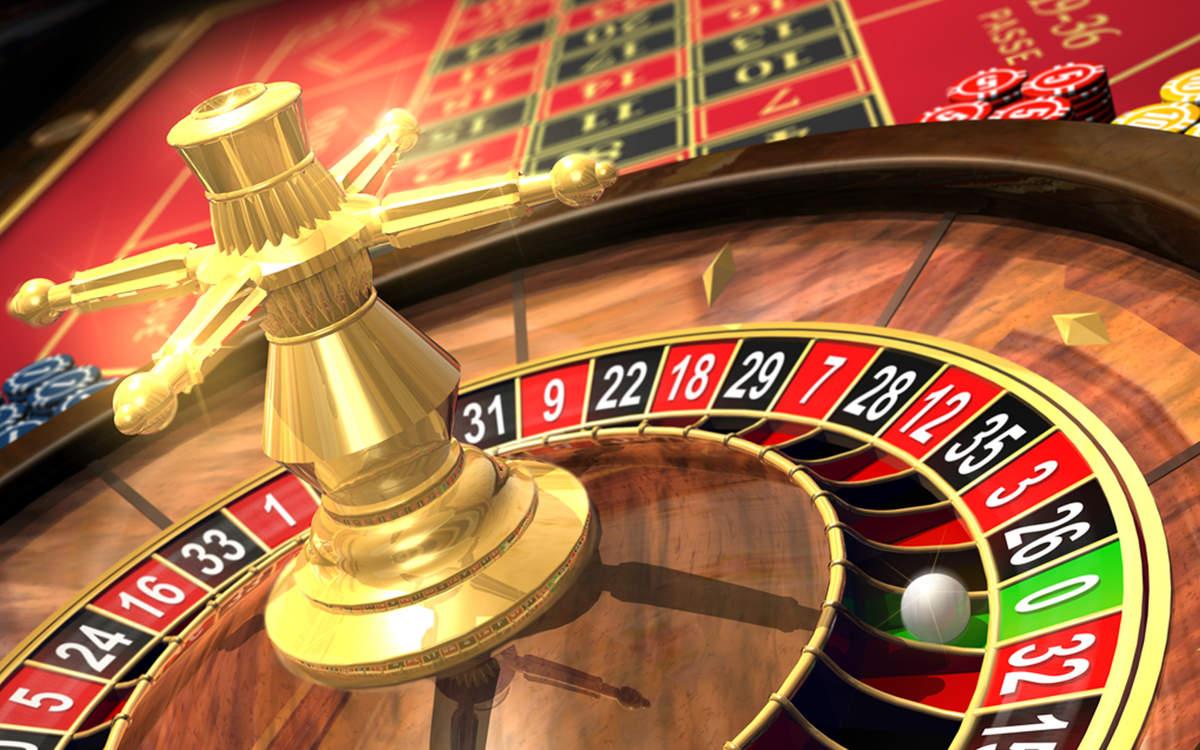
Roulette feels even simpler. I choose a number, colour, range, or group of numbers, then the wheel decides where the ball lands. Baccarat is simpler still in terms of decisions. I usually bet on Player, Banker, or Tie, while the drawing process follows set rules. Poker is different because I play against other people, not a house procedure, and that makes it a more strategic game, but also a less forgiving one.
It took me a while to understand that “classic” does not mean identical everywhere. A roulette table may be European with one zero or American with two zeros. Blackjack may use different deck counts, side bets, surrender rules, or dealer instructions. These details can look boring on a screen, but they are often the important part.
Understanding odds without overthinking them
Odds are not a promise about what will happen in my next ten hands. They describe the long-run mathematical advantage held by the casino. The phrase house edge sounded intimidating to me at first, but it is simply a useful warning label. Lower is generally better, though it never means risk-free.
| Game | Typical lower-edge option | What I watch for |
|---|---|---|
| Blackjack | Basic strategy, favourable rules | Blackjack payout and dealer rules |
| European Roulette | Even-money bets or single numbers | One zero rather than two |
| Baccarat | Banker bet | Commission and avoiding Tie bets |
For me, blackjack is the game where preparation has the clearest value. Basic strategy does not make me unbeatable, but it cuts out many avoidable errors. In baccarat, I prefer the Banker bet despite the commission because the underlying odds are usually kinder than the Tie bet. Roulette is more about accepting the randomness. I enjoy it, but I do not pretend that a favourite number has a memory.
Common mistakes I keep seeing
The biggest mistake is chasing a loss. I have done it once or twice in small ways, usually after a hand that felt unfair. That feeling is the trap. Cards and wheels do not owe me a correction. A lost bet is not evidence that the next bet is “due” to win.
These are the habits I now pause and check before playing:
- Increasing stakes emotionally after a losing round rather than following a planned limit.
- Ignoring game variations, such as choosing double-zero roulette without noticing it.
- Taking tempting side bets because the payouts look dramatic, even when the odds are worse.
- Playing too quickly, especially online, where the next hand can begin before I have thought clearly.
- Treating past results as predictions, which is an easy mistake after a streak of red or black.
Another common issue is playing while distracted. I once tried a short blackjack session while waiting for dinner to finish in the oven. It was only fifteen minutes, but I missed a rule detail, took an insurance bet without thinking, and made two rushed decisions. The dinner was fine. My session was not. Since then, I keep gambling separate from errands and notifications whenever possible.
My practical approach to playing
I now start by choosing one game rather than jumping around. Then I set a small session budget that I can genuinely afford to lose. Not a theoretical amount, not money earmarked for something else, just entertainment spending. I also decide roughly how long I want to play. It sounds a bit rigid, but it actually lets me relax.
For blackjack, I keep a basic strategy reference nearby when permitted, particularly if I am playing online. For roulette, I stick to a modest stake size and do not use elaborate systems that claim to defeat the wheel. I have tested a few out of curiosity. They can make the session feel organised, but they do not alter the built-in edge.
The best table-game decision is often the boring one. Read the rules, choose a sensible bet, and leave when the session limit arrives. There is no secret trick hidden behind the layout of the felt. I find that oddly reassuring.
Conclusion
Conclusion: classic table games are more enjoyable for me when I understand the rules and respect the odds. Blackjack rewards careful decisions, baccarat rewards restraint, and roulette works best when I see it as chance rather than a puzzle to solve. I still enjoy the little suspense before a card turns over or a wheel slows down, but I no longer confuse that excitement with control. Setting limits and accepting losses as part of the activity makes the whole experience feel more balanced.
FAQ
FAQ: Which classic table game has the best odds? In my experience, blackjack can offer very favourable odds when the rules are good and basic strategy is used correctly. Baccarat Banker bets are also relatively low-edge. Is roulette a bad choice? Not necessarily, I still enjoy it, but European roulette is generally preferable to American roulette because it has one zero. Should I use betting systems? I would be cautious. They may structure stakes, but they cannot remove the casino advantage or guarantee a winning session.